
Aging…
Aging is often treated like something that just “happens” to us—something we wait out and hope goes smoothly. But healthy aging, or true longevity, doesn’t work that way.
Health span—the years you feel strong, clear, and capable—is an active process. It’s shaped by every single daily input.
Health Span vs. Life Span

The goal is NOT just living longer - it is all about living better.
Health span focuses on:
Maintaining muscle and strength
Supporting brain function
Preserving metabolic health
Staying independent and active
What Changes As We Age
Over time, several key systems naturally shift:
Muscle mass declines
Recovery slows
Hormones change
Joints and connective tissue lose resilience
Energy production becomes less efficient
These changes are normal—but how quickly they happen, and how they feel, can vary widely depending on how we support the body.
Muscle: The Foundation of Healthy Aging
Muscle is one of the most important (and often overlooked) factors in aging well.
Loss of muscle—known as Sarcopenia—can lead to:
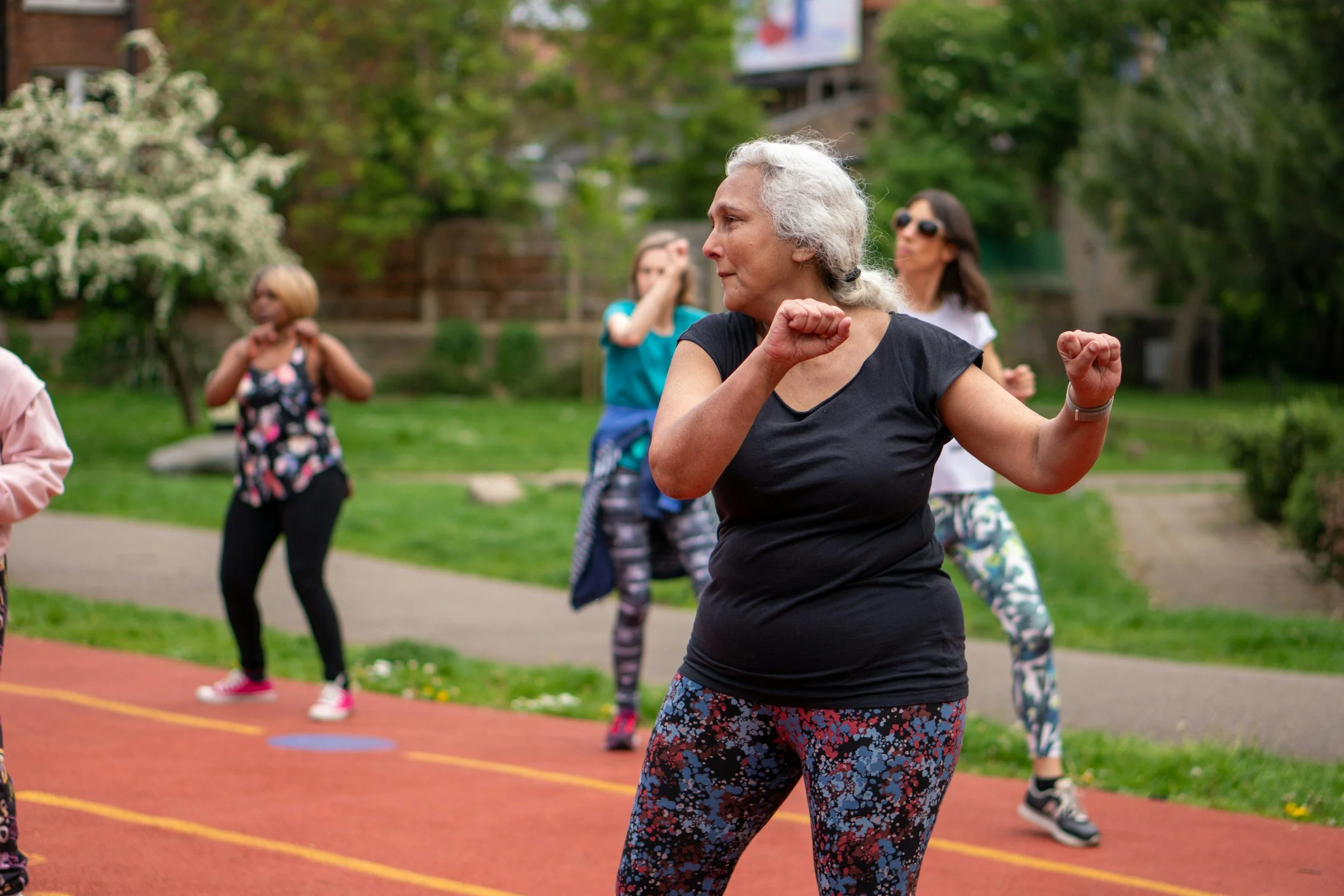
(*Movement is the #1 predictor of aging)
Weakness
Slower metabolism
Increased risk of falls and injury
Reduced independence
Supporting muscle isn’t just about appearance—it’s about function and longevity.
Where Creatine Comes In
Creatine isn’t just for athletes. It plays a key role in:
Cellular energy production
Muscle strength and preservation
Brain health and cognitive support
As we age, natural creatine stores and production can decline. Supplementing can help:
Maintain strength
Improve recovery
Support overall energy
Connective Tissue, Skin, and Joint Health
Another area that often needs more support with age is connective tissue.
This includes:
Joints
Tendons and ligaments
Skin elasticity
Over time, the body produces less Collagen, which can lead to:
Joint stiffness
Wrinkles and skin thinning
Slower recovery from activity
Supporting collagen helps maintain:
Mobility
Structural integrity
Resilience in daily movement
Metabolism and Energy
Metabolic health doesn’t stay the same forever.
With age, we may see:
Increased insulin resistance
Slower energy production
Changes in body composition
Supporting metabolism becomes even more important to:
Maintain a healthy weight
Stabilize energy levels
Reduce risk of chronic disease
Hormones and Recovery
Hormonal shifts—like changes in Testosterone and Estrogen—can impact:
Muscle mass
Mood and motivation
Recovery and sleep
At the same time, stress hormones like Cortisol can rise or become dysregulated, further affecting energy, metabolism, and overall resilience.
Why “Extra Support” Matters
In your 20s and 30s, the body often compensates easily.
As we age, it becomes less forgiving—and that’s where intentional support makes a difference.
This might include:
Strength training to preserve muscle
Targeted nutrition to support metabolism
Strategic supplementation (like creatine and collagen)
Stress management and recovery support
These aren’t “extras”—they’re tools to help maintain function over time.
The Takeaway

It is:
Proactive, personalized & built on daily habits
It’s not:
“Wait and see” or “hope nothing goes wrong”
Your body is always adapting. The question is whether it’s adapting toward strength and resilience—or away from it.
A Better Way to Think About Aging
Instead of asking, “What happens as I get older?”
A better question is:
“What can I do now to support the version of me I want to be 10, 20, or 30 years from now?”
Because health span isn’t something you hope for—it’s something you build.